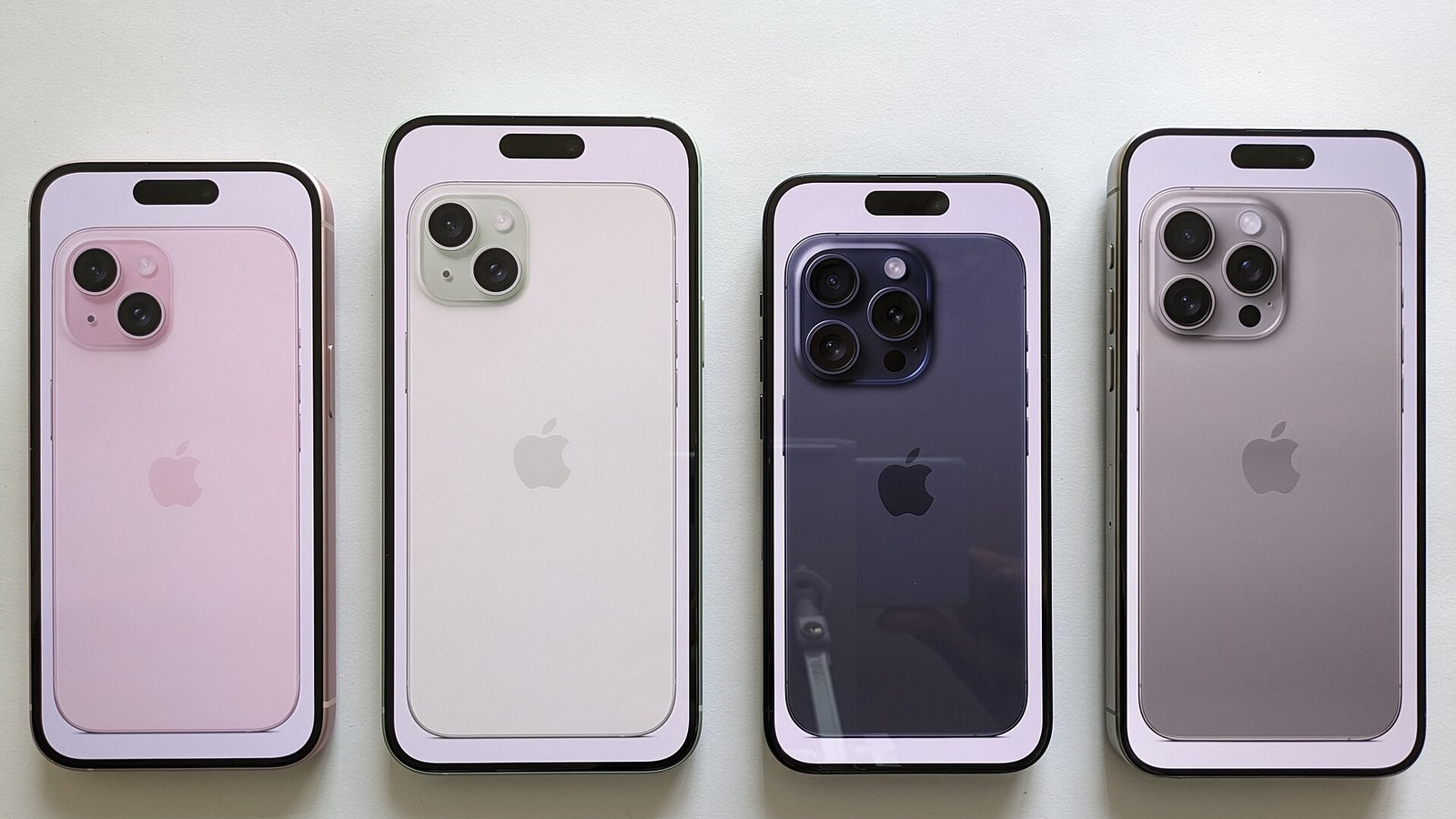








As of November 2026, you factory reset an iPhone or iPad from Settings > General > Transfer or Reset iPhone (or iPad) > Erase All Content and Settings. That menu replaced the old “Reset” menu in iOS 15. iOS 27 and iPadOS 27 came out on September 14, 2026, and run on the iPhone 11 series and newer, plus the iPhone SE (2nd generation and later). Before you sell, trade in or give away any of these devices, back it up, sign out of your Apple Account so Activation Lock comes off, and then erase it.
Maybe you plan to sell your iPhone or iPad and want every personal file gone. Or the device was lost or stolen and you want to wipe it remotely. Either way, a factory reset is the cleanest way to erase everything and start over.
A Simple Guide to Wiping Your iPhone or iPad
A factory reset deletes your data, settings and apps and returns the device to the “Hello” setup screen. There are three ways to do it: on the device itself, remotely through iCloud.com, or with a computer. The sections below cover each one, in order of how often you will need it.
What to Do Before You Factory Reset Your iPhone or iPad
Do these things before you erase anything.
- Back up your device. Save everything you want to keep to iCloud or to a computer. A backup is the only way to get your content back after a reset.
- Know that erased data stays erased. Apple devices are encrypted by default. Deleted data isn’t just hidden and marked as free space. It becomes unreadable, so no software can recover it.
- Use Apple’s backup guides. Apple’s support site explains every backup option, including iCloud and backing up to a Mac or Windows PC.
- Back up to iCloud. Connect to Wi-Fi, then go to Settings > [your name] > iCloud > iCloud Backup and tap Back Up Now. Stay on Wi-Fi until it finishes. (Older versions of iOS put this under Settings > iCloud > Backup.)
- Where the backup goes. It’s stored in iCloud and tied to your Apple Account. Apple renamed the Apple ID to “Apple Account” in 2024.
Check Your iCloud Backup in iPhone Settings
- Confirm it worked. Go back to Settings > [your name] > iCloud > iCloud Backup. The screen shows the date and time of your last successful backup. If you don’t have enough iCloud storage, you’ll get an alert, and you’ll need to free up space or buy more storage before the backup can finish.
- Back up to a computer instead. iTunes used to handle this. On a Mac with macOS Catalina or later, use Finder. On Windows, use Apple’s Apple Devices app, or iTunes on older versions of Windows. Connect the device with its cable, unlock it, tap Trust This Computer if asked, select the device in the sidebar and choose Back Up Now.
- Back up big media libraries locally. A cable connection to a computer is the simplest way to back up a large photo and video library without paying for more iCloud storage.
Sign Out of iCloud
- Why it matters. Signing out is one of the first steps before you erase a device you’re handing over. It turns off Find My and removes Activation Lock, so the next owner can sign in with their own Apple Account.
- When you can skip it. If you’re only resetting to fix a problem and plan to keep the device, you don’t need to sign out. After the reset, sign back in with your Apple Account and password and restore your backup.
- How to do it. Go to Settings, tap your name, scroll down and tap Sign Out. You’ll need your Apple Account password.
How to Remove a Device From Your Account Remotely
If the device is already gone, sign in at iCloud.com/find (Apple now calls this Find Devices, not Find My iPhone). Select the device and choose Remove This Device. That takes it off your Apple Account and removes Activation Lock. You must do this before you sell an Apple device, because otherwise the new owner can’t set it up with their own Apple Account. Don’t do it if the device is lost and you still want to track it. Once it’s removed, you can’t locate it anymore.
How to Reset Your iPhone or iPad to Factory Settings
If the device is in your hands, the quickest way to erase it is in Settings.
- Open Settings and tap General.
- Scroll to the bottom and tap Transfer or Reset iPhone (Transfer or Reset iPad on a tablet). On iOS 14 and earlier, this menu was simply called Reset.
- Tap Erase All Content and Settings.
- Enter your passcode or Apple Account password when asked.
- If your iPhone uses an eSIM, choose whether to keep it or delete it. Delete it if you’re selling or giving the phone away, and keep it if you’re only resetting your own phone.
- Wait for the erase to finish. The Hello screen appears when it’s done.
The other options in the Reset submenu, such as Reset All Settings or Reset Network Settings, change settings only and leave your data alone. Erase All Content and Settings is the only option in this menu that wipes the whole device, but you can also wipe a device remotely with Find My or by restoring it with a computer.
How to Reset an iPhone or iPad Remotely
If you’ve lost your iPhone or iPad and want to make sure no one can get at your data, you can erase it remotely.
- Sign in at iCloud.com/find with your Apple Account.
- Select the device from the list of devices.
- Choose Erase This Device and confirm.
- If Apple asks for a verification code, it sends one to a trusted phone number or another Apple device signed in to the same account. If you have neither, contact Apple Support.
- If the device is offline, the erase starts the next time it connects to the internet, and Apple emails you when it’s done.
Before you erase, remember that Find Devices can also play a sound on the device to help you find it nearby.
How to Factory Reset Your iPhone or iPad With a Computer
You can also reset an iPhone or iPad with a Mac or Windows PC. It takes more steps than resetting on the device. It’s the right method when the device won’t start normally, or when you’ve forgotten the passcode and need recovery mode.
What You Need
- A Mac running macOS Catalina or later (it uses Finder), or a Windows PC with the Apple Devices app (or iTunes on older Windows versions). Update the software first.
- The device’s USB or USB-C cable.
- Your passcode and Apple Account password.
Steps
- Turn off Find My on the device first. Apple won’t let you click Restore while you’re still signed in to Find My.
- Connect the device to the computer with the cable. Unlock it and tap Trust when asked.
- Select the device in the Finder or Apple Devices sidebar. On older iTunes versions, click the device icon and open the Summary tab.
- In the General section (or Summary in iTunes), click Restore iPhone or Restore iPad, then confirm.
- The computer downloads the software and erases the device. It restarts at the Hello screen.
If the device won’t respond or won’t turn on, Apple says to put it in recovery mode and use the Update option first, which tries to reinstall iOS or iPadOS without erasing your data. Apple Support has step-by-step troubleshooting guides for devices that won’t start.
How to Force Restart Your iPhone or iPad
If your device freezes or stops responding and you only want to reboot it, a force restart (often called a hard reset) won’t erase anything. The button combination depends on the model.
iPhone 8 and Later, Including iPhone SE (2nd Generation and Later)
- Press and quickly release the Volume Up button.
- Press and quickly release the Volume Down button.
- Press and hold the Side button.
- Keep holding past the power-off slider, and let go when the Apple logo appears.
Older Models
- iPhone 7 and iPhone 7 Plus: hold Volume Down and the Sleep/Wake button together until the Apple logo appears.
- iPhone 6s, the 1st-generation iPhone SE and earlier: hold the Home button and the Sleep/Wake button together until the Apple logo appears. This is the “Home and Power” method that older guides describe.
- iPads with a Home button: hold the Home button and the top button together until the Apple logo appears.
- iPads without a Home button: press and release the volume button nearest the top button, then the other volume button, then hold the top button until the Apple logo appears.
A force restart closes stuck processes and fixes many freezes. It can also help when the device shuts off on its own and won’t turn back on. In that case, connect it to a charger and let it charge for a while before you try again.
Problems and Special Cases
These are the reset questions that come up most often after the basic steps.
Can I Get Back Data I Lost After a Factory Reset?
Only from a backup. A factory reset erases everything on the device, and encryption means it can’t be recovered from the device itself. Check the services you used on the phone: iCloud, Google Photos, Google Drive, Dropbox and your email account may still have copies of your photos, documents and contacts.
A force restart is different. It doesn’t delete any data.
I Can’t Get the Verification Code to Sign In to iCloud. What Should I Do?
If Apple sends the code to another Apple device and you don’t have one, choose the option saying you didn’t get a code, then pick the option to send it to your phone number. If that number no longer works, contact Apple Support at 1-800-MY-APPLE (1-800-692-7753) in the US and ask about account recovery.
Account recovery can take a while. It’s a security process, so you may have to wait several days before you get back in. Activation Lock is an anti-theft feature, and it’s built to be removed only by the account owner after proper verification.
Should I Factory Reset My Stolen Device?
That depends on whether it had a passcode. If it did, your data is protected, so you can mark it as lost in Find Devices and try to track it first. If it had no passcode, erase it remotely as soon as possible so the thief can’t get at your information. If the thief has turned it off, an offline erase still runs the next time the device connects to the internet. Report the theft to the police and your carrier as well.
Can I Wipe an iPhone Without the Apple Account or Passcode?
You can erase an iPhone without its passcode, but you can’t set it up again without the Apple Account and password it was linked to.
If you forget your passcode, recent versions of iOS show a “Forgot Passcode?” option on the lock screen after several wrong tries. It lets you erase the device with your Apple Account password. Without that option, connect the device to a computer, put it in recovery mode and restore it. If you don’t have a computer, an Apple Store or Apple Authorized Service Provider can help.
After either kind of erase, Activation Lock still asks for the original Apple Account. Recovery mode and DFU mode don’t remove it.
If you bought a used device and the seller never signed out, contact the seller and ask them to remove it from their account at iCloud.com/find. If you can’t reach them, Apple only helps with an Activation Lock support request backed by proof of purchase. Websites and tools that promise to remove Activation Lock without the owner’s credentials aren’t legitimate. Many are scams, and you can lose money or put your data at risk.
Will Apple Help Me Reset a Device That Belonged to Someone Who Died?
Apple now offers an official process called Digital Legacy, but it gives access to account data, not to a locked device. If the person chose you as a Legacy Contact (an option since iOS 15.2), you can request access with the access key they shared and a death certificate. Approved access lasts three years from when the first request is approved.
Without an access key, Apple accepts a court order in the US and some other countries. The order must name you as the rightful heir to the person’s personal information. Some countries, such as France, Germany, Japan, Australia and New Zealand, accept other documents instead. You can also ask Apple to delete the account permanently.
Apple says it will not and cannot unlock a device protected by a passcode. Online forums and websites that promise access to a dead person’s iPhone are usually hoaxes. Unless the owner shared their passcode or named you as a Legacy Contact, Apple’s Digital Legacy process is the only legitimate route.
iPhone and iPad Resets: Final Steps
When nothing goes wrong, a factory reset takes a few minutes. The parts that cause trouble later are the steps before it: a backup you’ve confirmed, and signing out of your Apple Account so Activation Lock comes off. Do both before you erase. If you’re missing an Apple Account password or passcode, start with Apple’s account recovery or an Apple Store visit, not a third-party tool.
FAQ
Does a factory reset remove the iOS update?
No. Erasing the device removes your data and settings, but it keeps the version of iOS or iPadOS that’s installed. An iPhone running iOS 27 still runs iOS 27 after the reset. Restoring with a computer installs the latest version Apple currently signs for that model.
How long does a factory reset take?
On recent iPhones and iPads, erasing from Settings usually takes a few minutes. Restoring with a computer takes longer because the software has to download first, and that time depends on your internet speed. Keep the device charged or plugged in while it works.
Does a factory reset remove Activation Lock?
Not by itself. Activation Lock is tied to your Apple Account, so sign out in Settings before you erase, or remove the device at iCloud.com/find afterward. If you skip this, the next owner gets stuck at the activation screen.
What is the difference between Reset All Settings and Erase All Content and Settings?
Reset All Settings returns things like Wi-Fi, privacy and display preferences to their defaults, and keeps your apps, photos and files. Erase All Content and Settings wipes everything and returns the device to the setup screen. Use the first to fix a problem and the second before you sell or give the device away.
Should I remove my SIM card or eSIM before selling?
Yes. Take out a physical SIM card. For an eSIM, choose Delete eSIM when the erase screen asks, or ask your carrier to move the line to your new phone first. That keeps your number off the device you’re handing over.
Can I factory reset an iPhone that won’t turn on?
Often, yes. Charge it, try a force restart, and if it still won’t start, put it in recovery mode and connect it to a Mac or PC. Try Update first to keep your data, and use Restore only if Update fails.
Sources
- Apple Support: How to factory reset your iPhone, iPad, or iPod touch
- Apple Support: Restore your iPhone, iPad, or iPod to factory settings using a computer
- Apple Devices for Windows User Guide: Restore your Apple device to its factory settings
- Apple Support: How to back up your iPhone or iPad with iCloud
- Apple iCloud User Guide: Remove a device in Find Devices on iCloud.com
- Apple Support: If you forgot your iPhone passcode or your iPhone is disabled
- Apple Support: Request access to a deceased family member’s Apple Account
- AppleInsider: iOS 27 and iPadOS 27 arrive on September 14, 2026
- MacRumors: Apple Announces iOS 27 Release Date
- MacRumors: How to force restart iPhone X, XR, XS and XS Max
About this article
- Fact-checked before publication.
- Published · Updated